Munkebo Dust Collection
How Do Dust Collection Systems Work?
-
Our dust collection systems are designed to capture and remove airborne dust, fumes, overspray, and spent media generated during abrasive blasting, coating, and metallization operations. Their primary purpose is to protect operators, maintain visibility, preserve equipment, and ensure compliance with environmental and workplace safety standards.
During surface treatment processes such as blasting, coating, and metallization, high-energy material application or impact generates fine particulate, fumes, and residues from abrasives, coatings, corrosion products, and substrate material. This contaminated air is drawn away from the work area through a ventilation system using controlled airflow.
The dust are captured by filter media, which trap contaminants while allowing clean air to pass through. Periodic filter cleaning using compressed air pulses dislodges accumulated material so the system maintains consistent airflow and performance.
Collected material is discharged, into hoppers, containers or directly absorbed by paint filter. Filtered air is either exhausted outside or returned to the workspace depending on system design and regulatory requirements.
By continuously removing airborne contaminants at the source, these dust collection systems create a safer, cleaner, and more efficient working environment while extending equipment life and improving overall process control.
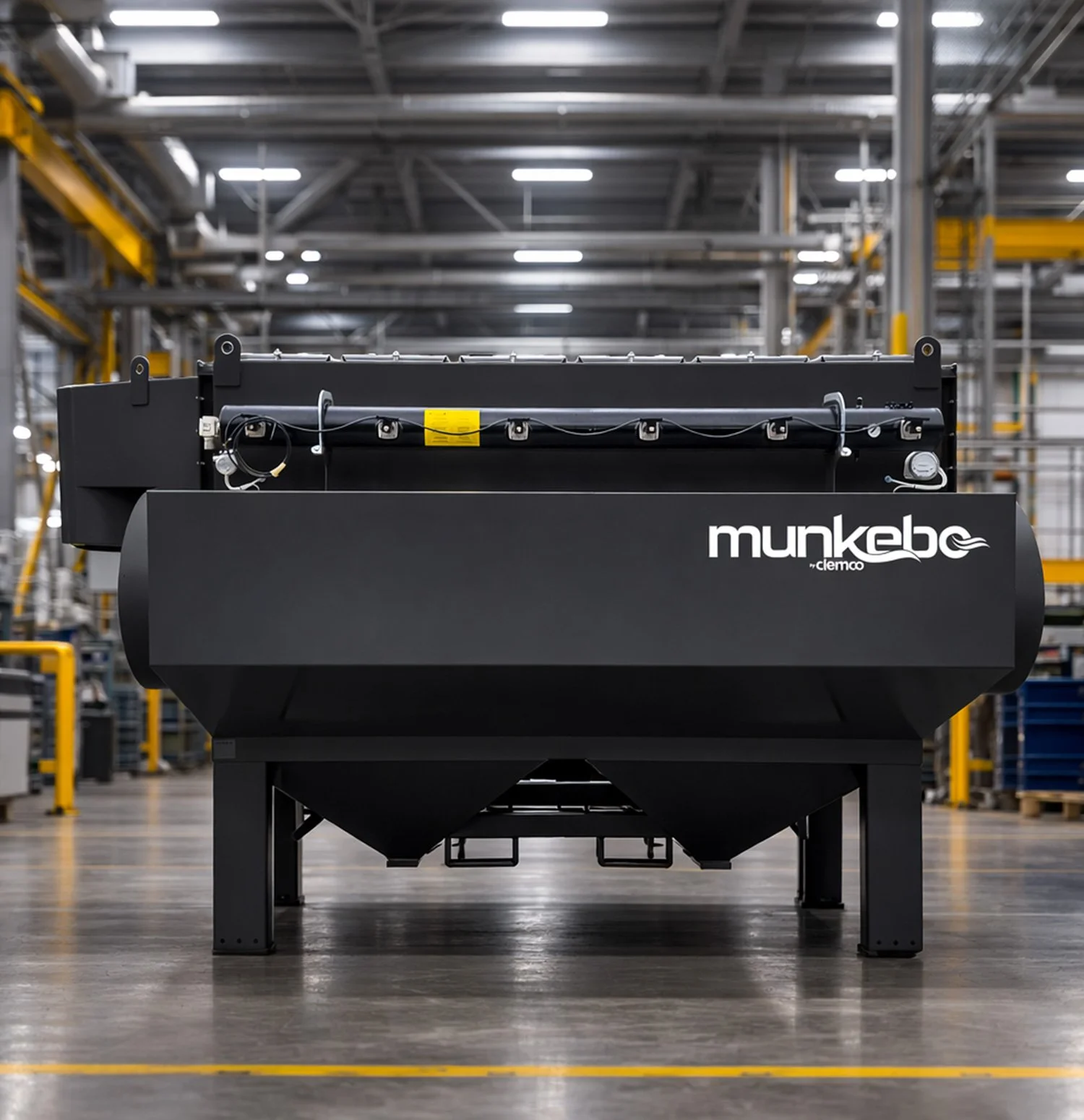
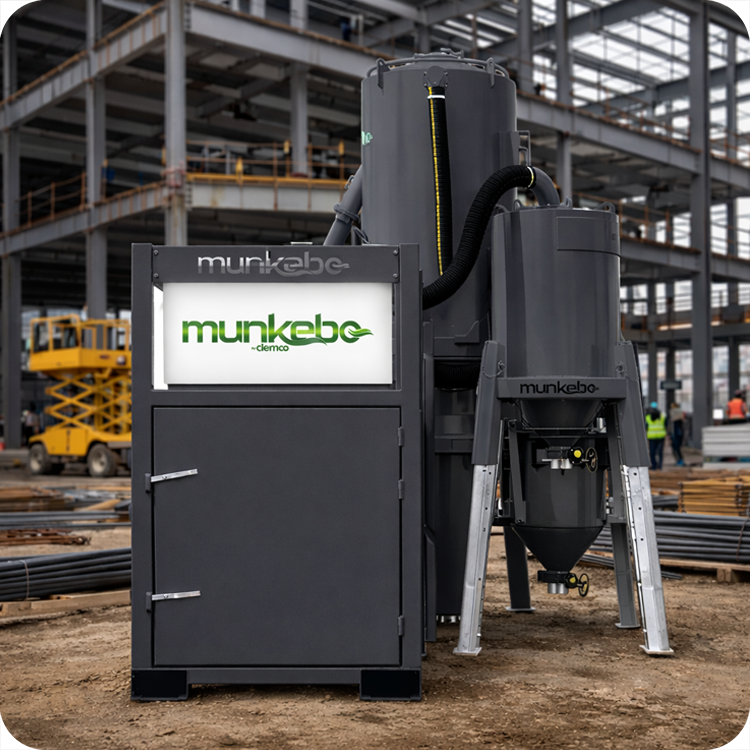
Stationary
Dust Collection Systems
-
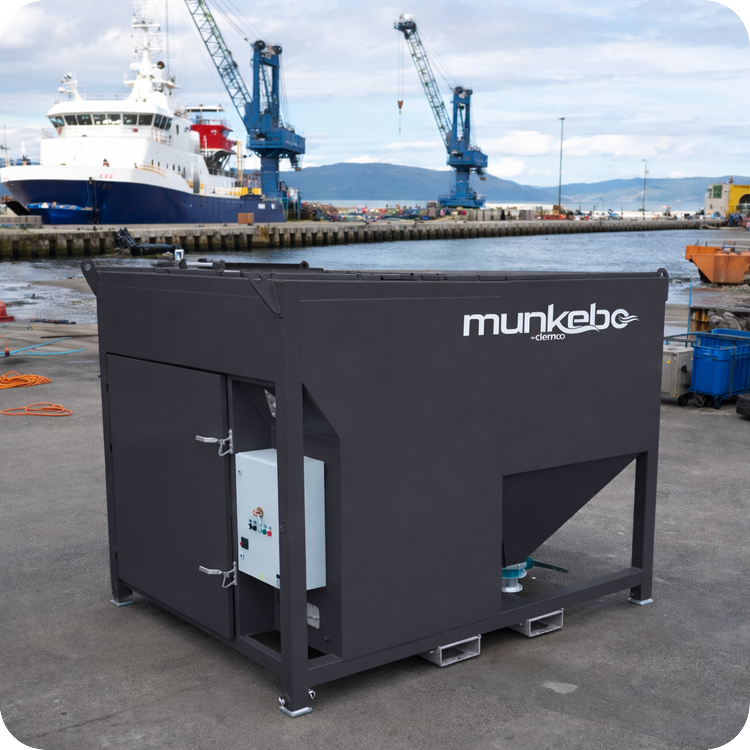
We provide stationary dust collection systems for abrasive blasting and metallization, with our units ranging from 2.000 to 50.000 m³ air/hour
There is a variety of reason why ventilation is necessary. A few of them being:
- Health and safety
- Environment and regulations
- Improved visibility – saving time
- Additional extraction of fine dust from reusable abrasives.
- Less wear and tear on equipment.
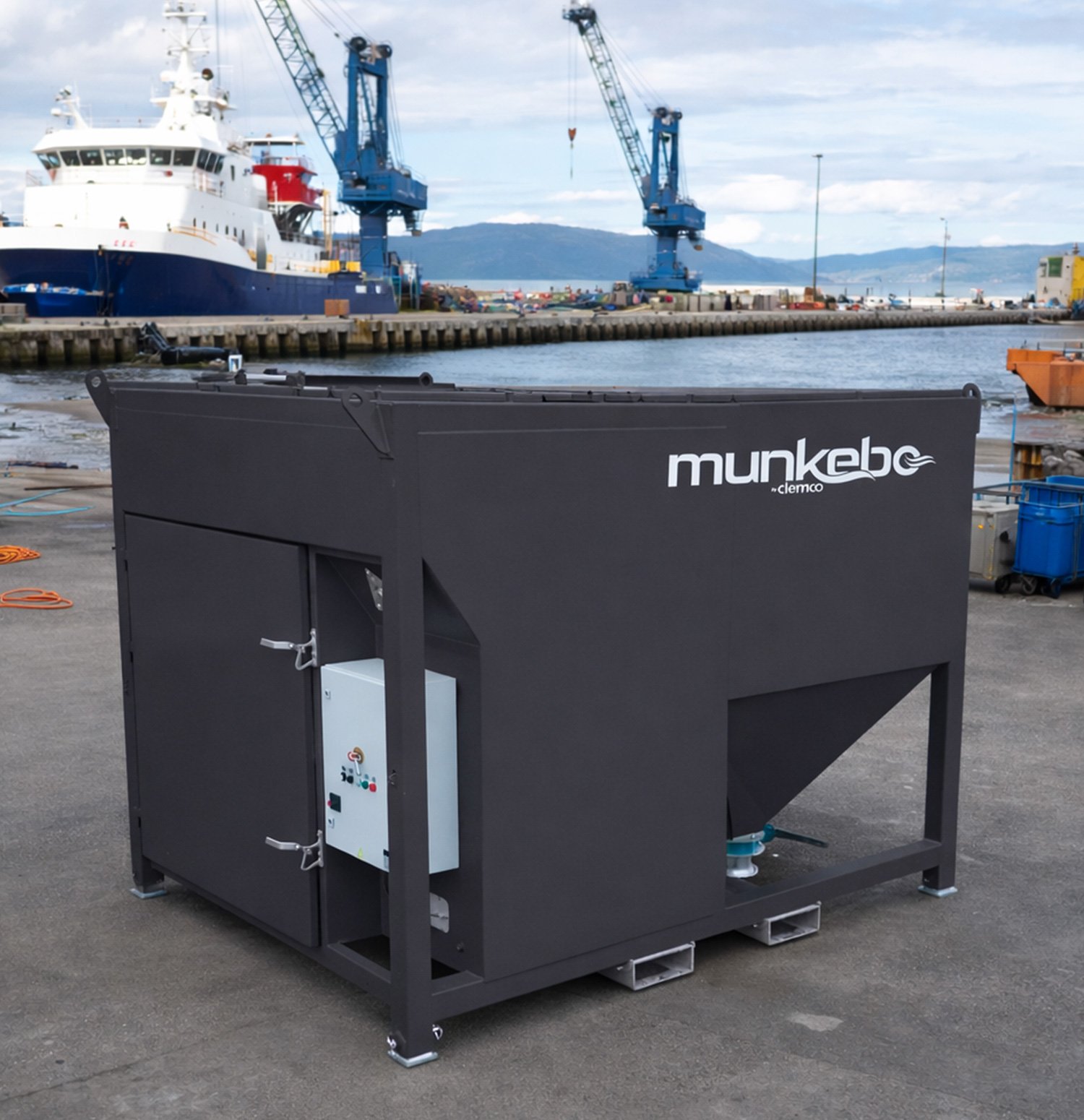
Portable
Dust Collection Systems
-
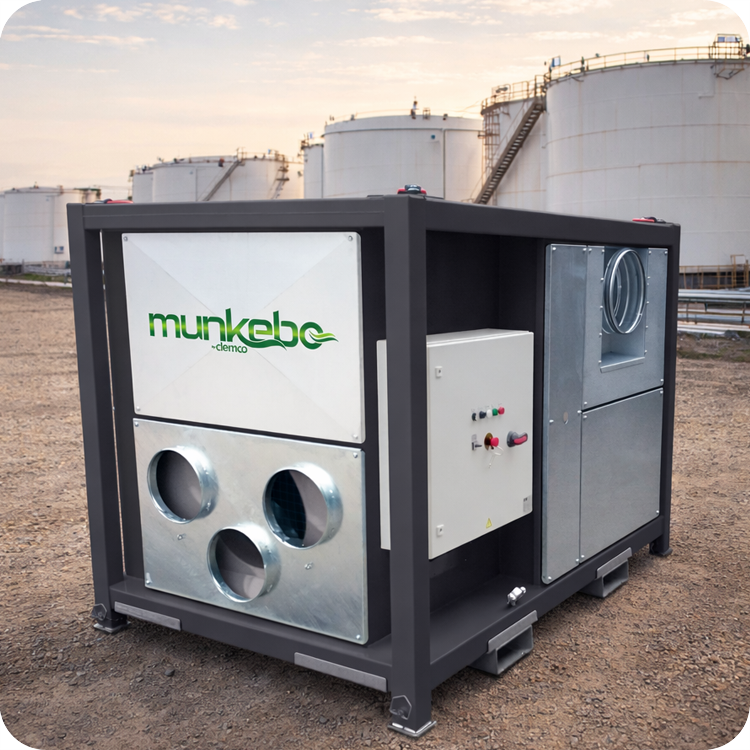
We provide portable dust collection systems for abrasive blasting with our unit capacity at 5.000 and 20.000 m³ air/hour
There is a variety of reason why ventilation is necessary. A few of them being:
- Health and safety
- Environment and regulations
- Improved visibility – saving time
- Additional extraction of fine dust from reusable abrasives.
- Less wear and tear on equipment.
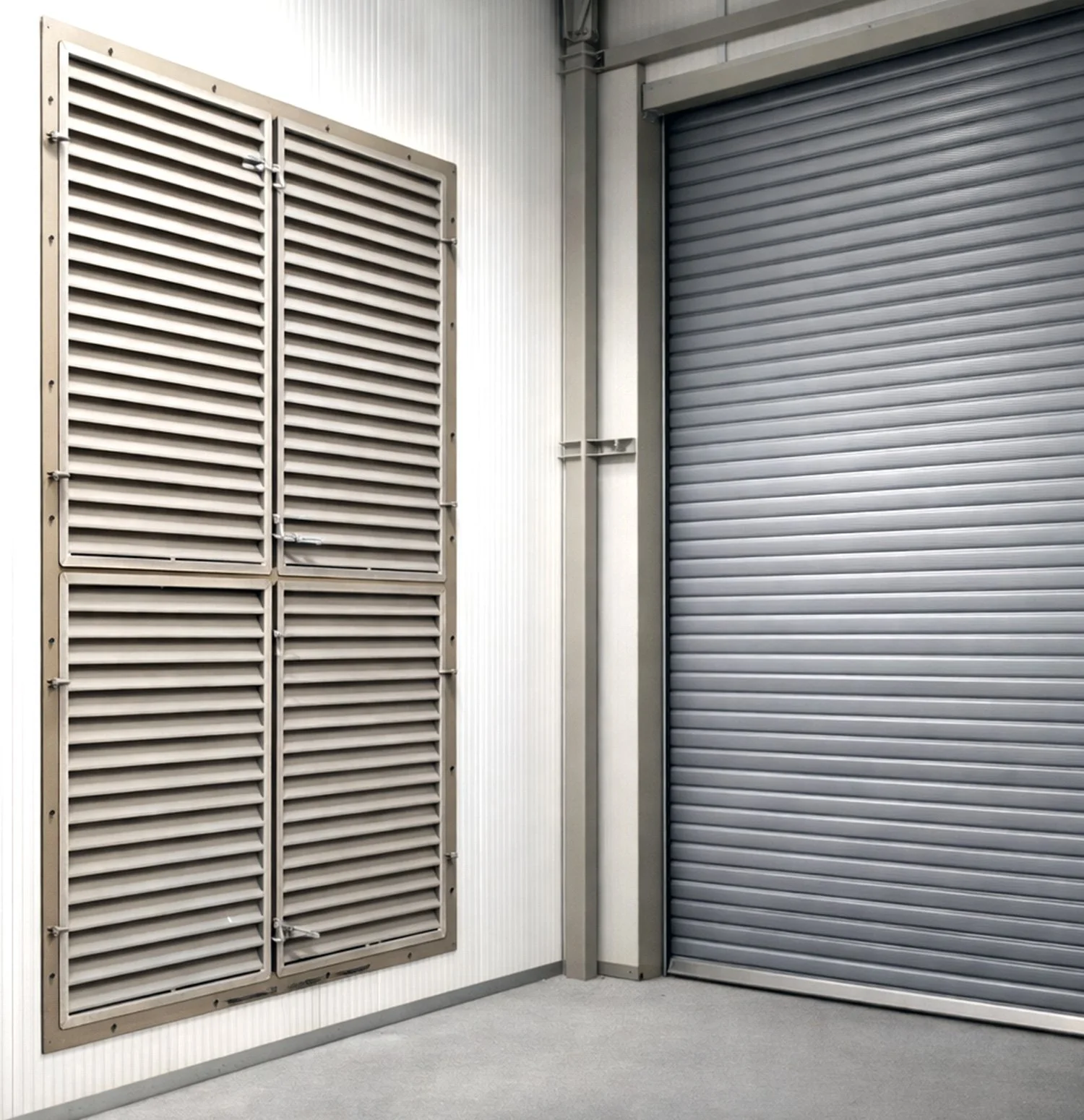
Stationary Paint
Dust Collection Systems
-
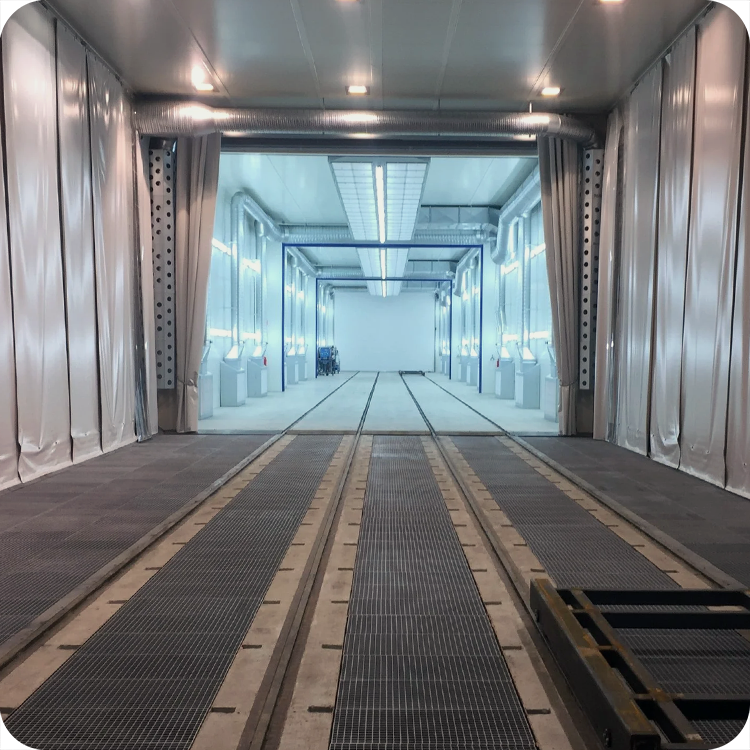
We provide stationary paint dust collection systems with our units ranging from 10.000 to 50.000 m³ air/hour
There is a variety of reason why ventilation is necessary. A few of them being:
- Health and safety
- Environment and regulations
- Improved visibility – saving time
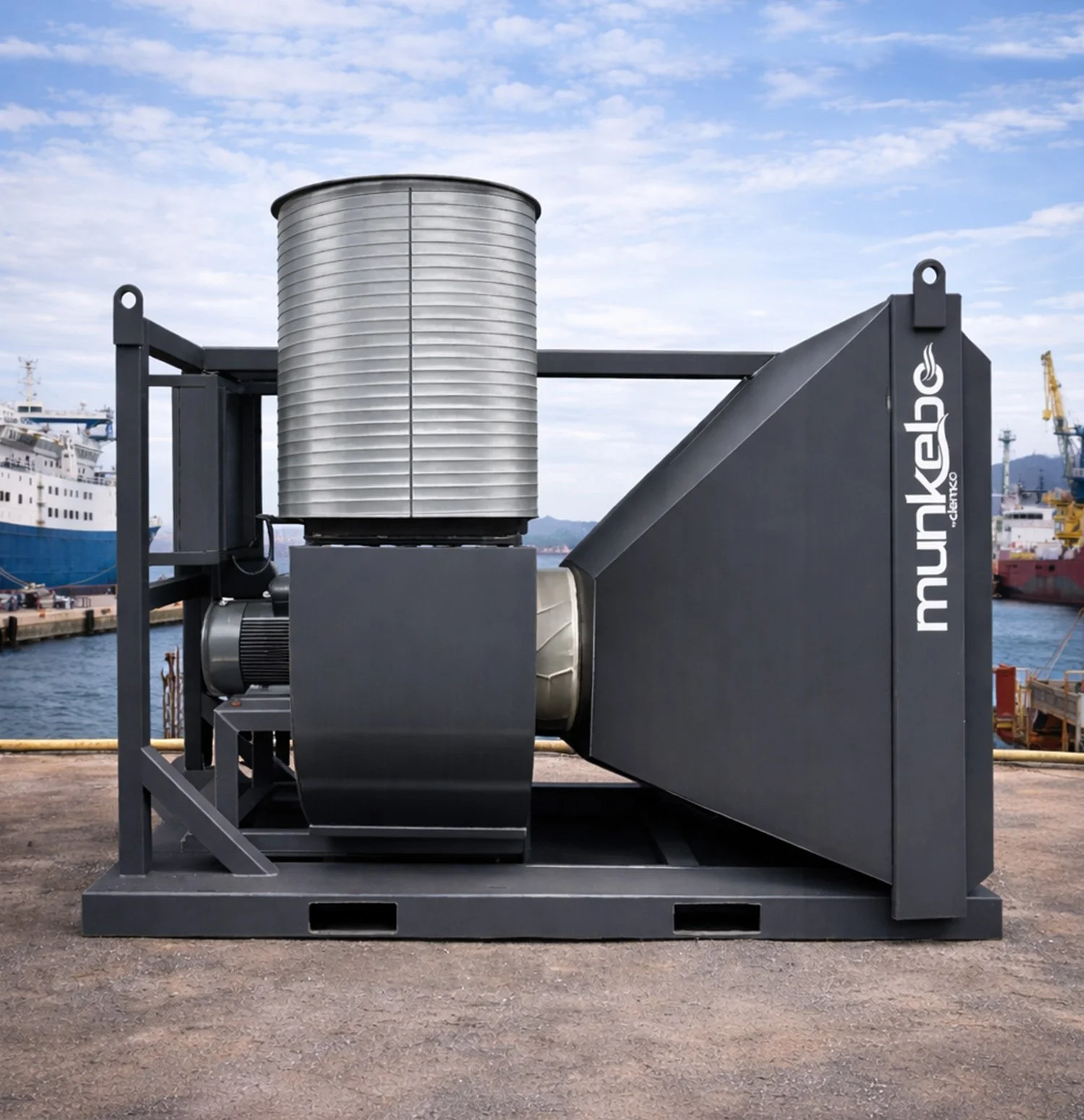
Portable Paint
Dust Collection Systems
-
We provide portable paint dust collection systems with our units capacities at 10.000 and 20.000 m³ air/hour
There is a variety of reason why ventilation is necessary. A few of them being:
- Health and safety
- Environment and regulations
- Improved visibility – saving time
Proven Performance Since 1964.
Generations of Excellence Transforming Our World, Worldwide since 1964
•
Generations of Excellence Transforming Our World, Worldwide since 1964
•
Generations of Excellence Transforming Our World, Worldwide since 1964
•
Generations of Excellence Transforming Our World, Worldwide since 1964 • Generations of Excellence Transforming Our World, Worldwide since 1964 • Generations of Excellence Transforming Our World, Worldwide since 1964 •